news
Jakarta Emergency Services Overhaul: 40-Minute Ambulance Waits Demand Action
With ambulances taking up to 40 minutes to reach patients in some districts and the monsoon season already exposing fatal gaps, city planners and the national government must choose between competing fixes, fast.
How we reported this
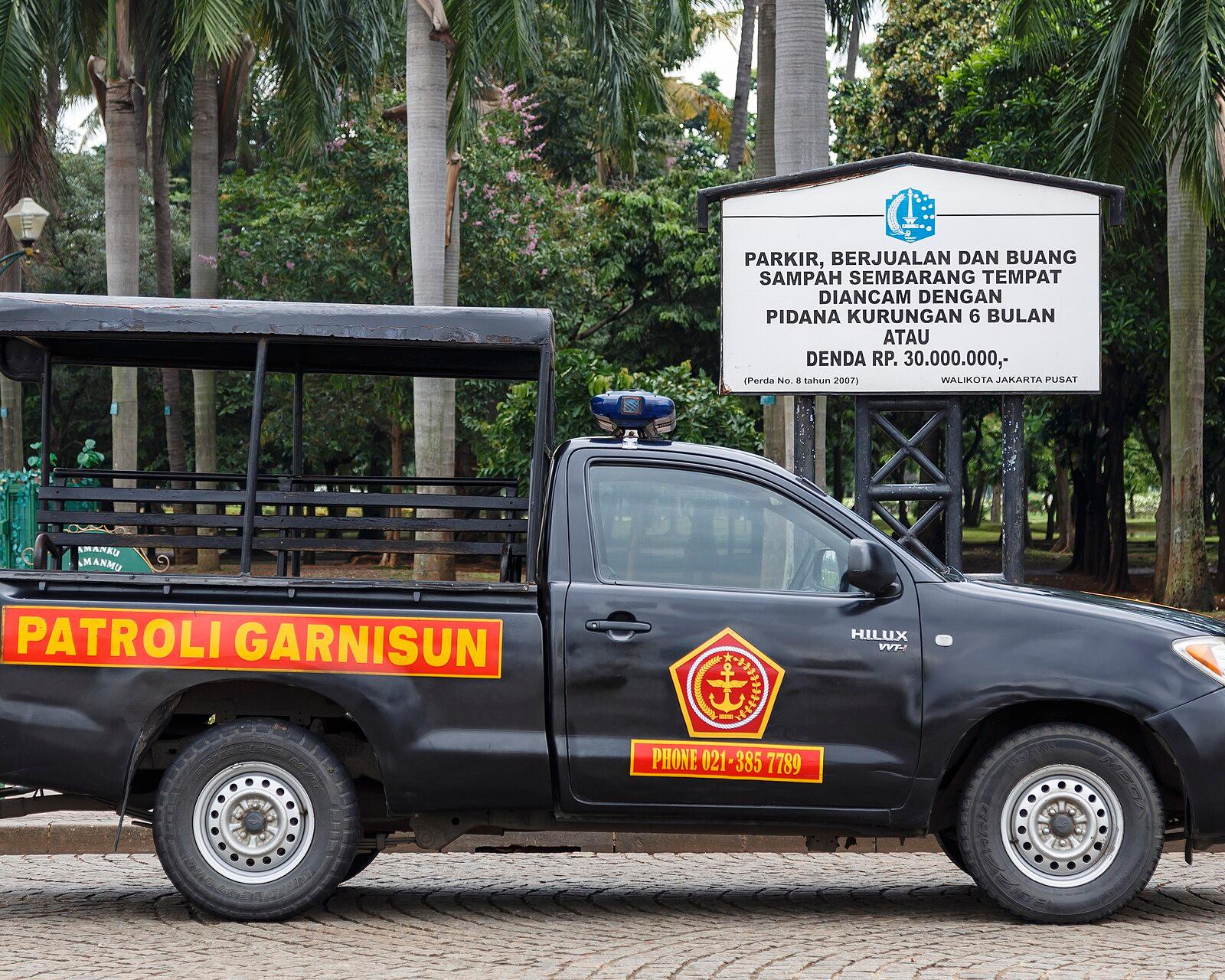
Jakarta's emergency response network is buckling. Average ambulance response times in the capital's most congested corridors now stretch to 38 minutes during peak traffic hours, according to internal data from Dinas Kesehatan DKI Jakarta, the city's health authority, nearly four times the internationally accepted eight-minute benchmark for cardiac events. The gap between what the system promises and what it delivers is no longer abstract. Residents in Penjaringan, one of North Jakarta's most flood-prone kelurahan, waited over 45 minutes for an ambulance last month when a 61-year-old man collapsed during a tidal flood episode on Jalan Pluit Selatan.
The timing matters because Jakarta is simultaneously losing population to the new national capital Nusantara and absorbing new pressures from that transition. Roughly 1.4 million civil servants and their families are expected to relocate to Kalimantan by 2028, but the infrastructure upgrades those officials might have championed for Jakarta are stalling. The city's emergency services budget for fiscal year 2026 was set at Rp 2.1 trillion, a figure health advocates say is underfunded by at least 30 percent relative to the population still dependent on Jakarta's overstretched hospitals and ambulance fleets.
Where the System Is Breaking Down
The problem is geography as much as money. The 119 emergency hotline, Jakarta's equivalent of a national emergency number, routes calls through a dispatch centre in Cikini, Central Jakarta. But the fleet of 87 operational ambulances serving a metropolitan area of roughly 10.5 million people is heavily concentrated in the inner-ring districts. Outer areas like Cilincing in North Jakarta and Cipayung in East Jakarta, both of which recorded flooding incidents in June, report the longest wait times. Jakarta Fire and Rescue, known locally as Dinas Penanggulangan Kebakaran dan Penyelamatan, documented 214 delayed emergency responses in the first quarter of 2026 alone, a 22 percent increase over the same period in 2025.
Flooding compounds every delay. When Jalan Gunung Sahari floods, it cuts off one of the main arteries connecting Central Jakarta to the northern coast. Dispatchers say they have no algorithmic rerouting, they rely on drivers' knowledge of which streets are passable on a given day. The result is that the same communities hit hardest by Jakarta's land subsidence crisis, which has seen parts of North Jakarta sink as much as 25 centimetres in a single year, are also the ones waiting longest for help when that subsidence contributes to flooding emergencies.
The Decisions Ahead
Three choices now sit on the desk of Pj Gubernur Jakarta, the city's acting governor, and ultimately require coordination with Prabowo Subianto's administration in Jakarta and Nusantara. The first is fleet expansion: the Health Ministry has proposed procuring 50 additional ambulances by the end of 2026, with priority deployment in Penjaringan, Cilincing, and Marunda. Procurement delays, a recurring problem in DKI Jakarta's procurement cycles, mean a realistic delivery date is more likely early 2027.
The second option, championed by urban planners at Universitas Indonesia's Faculty of Public Health, is a decentralised dispatch model. Rather than routing all calls through Cikini, this approach would establish three sub-dispatch hubs in East, North, and West Jakarta by mid-2027, each with dedicated ambulance pools. Pilot data from a smaller version of this model run in Kebon Jeruk in 2024 showed a 14-minute reduction in average response time within six months.
The third, and most contentious, decision involves integrating ride-hailing infrastructure. Gojek has held preliminary discussions with the city about a first-responder programme that would train and equip GoRide drivers to provide initial cardiac and trauma stabilisation while ambulances are in transit. The idea has support from some emergency physicians but faces resistance from Ikatan Dokter Indonesia, the national medical association, over liability and training standards.
None of these fixes is mutually exclusive, and none is cheap. What Jakarta cannot afford is another monsoon season, which meteorologists at BMKG project will arrive early, in October, with the same 38-minute average response eating into survival rates for stroke, cardiac arrest and drowning victims. The window to act is measured in months, not years.