news
Jakarta's Migrant Workers Face Critical Stay-or-Go Decision Amid Global Turmoil
From Tanah Abang to Pluit, foreign residents and domestic migrants are recalibrating plans as instability from Tehran to Lima ripples through Jakarta's already stretched labour and housing markets.
How we reported this
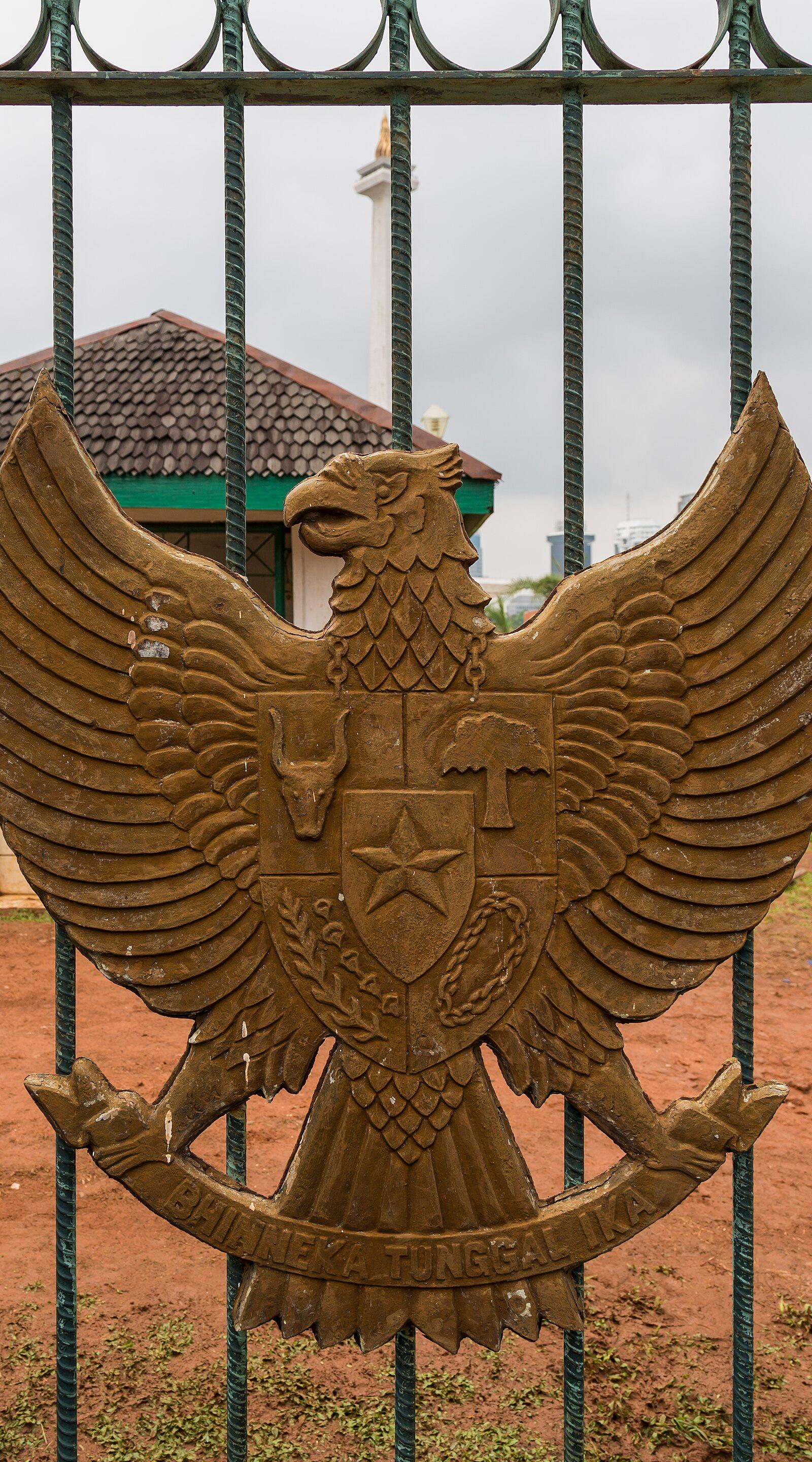
The death of Iran's supreme leader, a contested presidential election in Peru, and a heat crisis shutting down public events across the United States have done something unexpected: they have sharpened conversations among Jakarta's migrant communities, both international and domestic, about whether the Indonesian capital remains worth the gamble. City planners, migration researchers, and community advocates say the moment demands a serious policy response, not just reassurance.
Jakarta still absorbs roughly 250,000 new domestic migrants each year, many of them arriving from East Java, West Nusa Tenggara, and South Sulawesi in search of informal-sector work. The city's official population sits above 10.6 million, though the Metropolitan Jakarta area pushes that figure past 34 million. The Prabowo administration's ongoing transfer of government functions to Nusantara, the new capital in East Kalimantan, has not slowed that intake, because economic pull, not political geography, drives most migration decisions. What has changed is the quality of the calculations people are making.
Officials Point to Nusantara as a Pressure Valve, Researchers Aren't Convinced
The National Capital Authority, known by its Indonesian acronym OIKN, has maintained since early 2025 that Nusantara will draw workers and businesses away from Jakarta, easing pressure on housing, water supply, and the chronically sinking North Jakarta coastline. Pluit and Penjaringan, two low-lying coastal neighbourhoods where land subsidence now runs at 10 to 25 centimetres per year in the worst-affected blocks, are cited by OIKN planners as proof that Jakarta cannot keep absorbing growth at current rates.
Migration scholars at Universitas Indonesia's Demographic Institute in Depok are more cautious. They point out that Nusantara has, as of mid-2026, transferred fewer than 12,000 civil servants, a fraction of the 200,000 originally targeted for the first phase. Without large-scale government relocation, the economic logic for private migrants to follow remains weak. Meanwhile, the international community in Jakarta, concentrated in Menteng, Kemang, and the apartment towers lining TB Simatupang in South Jakarta, is watching regional instability with its own set of anxieties.
Representatives from the International Organization for Migration's Jakarta office have flagged that displacement pressures originating in the Middle East and parts of Africa are creating secondary migration flows that eventually reach Southeast Asia. The IOM's regional data for the first quarter of 2026 recorded a 14 percent rise in transit movements through Indonesia compared to the same period last year. Most transiting migrants aim for third countries, but a portion apply for temporary protection status, adding caseloads to an immigration system already stretched by the capital transition bureaucracy.
Community Organisations Flag Housing Costs as the Decisive Factor
On the ground in Tanah Abang, Jakarta's dense textile trading district where domestic migrants from across the archipelago run stalls and sleep in rented rooms above warehouses, community coordinators from Lembaga Bantuan Hukum Jakarta say the cost question dominates every conversation. A single rented room in Tanah Abang now runs between Rp 800,000 and Rp 1.4 million per month, up roughly 18 percent since January 2025. Gojek and Tokopedia gig work supplements income for many residents, but algorithm-driven fare cuts introduced in late 2025 have squeezed that buffer.
For the international segment, the Jakarta Foreign Correspondents Club and several expatriate business associations in SCBD have informally noted that global instability, Tehran's uncertain political transition chief among them, is prompting multinational firms to accelerate regional hub reviews. Singapore and Kuala Lumpur remain the most cited alternatives, though Jakarta's consumer market of 34 million people in its metro area keeps most companies anchored for now.
City officials under Governor Pramono Anung have pledged to fast-track the Kampung Susun social housing programme, which targets 10,000 units in flood-prone northern districts by the end of 2027. Migration experts say that timeline is ambitious but necessary. For domestic migrants deciding whether to stay or move on to Nusantara or return home, the next six months, covering the dry season infrastructure push and the government's mid-year budget revision in August, will likely be the clearest signal yet of whether Jakarta still wants them, or is quietly hoping someone else will take the load.