news
Jakarta Tackles Flood of Fake Images on E-Commerce, Government Sites
As duplicate and fraudulent images flood Indonesia's e-commerce and government platforms, regulators and tech firms face a reckoning over how to clean up the mess.
How we reported this
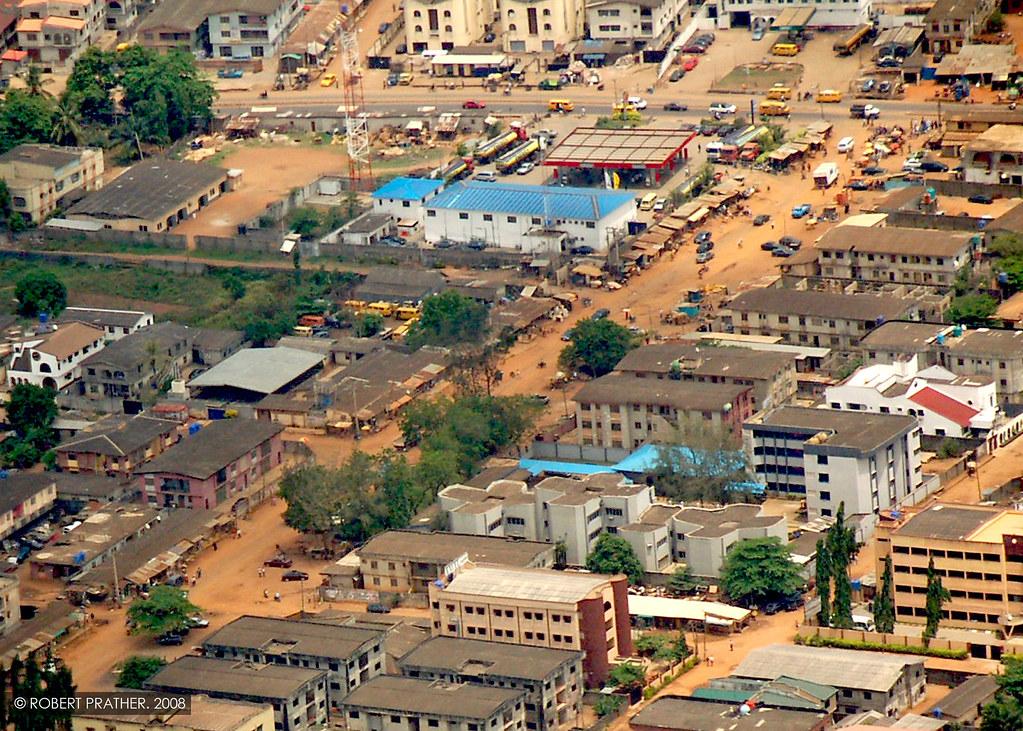
Jakarta's digital economy has a forgery problem. Across Tokopedia, Shopee Indonesia, and dozens of smaller platforms operating out of the Sudirman Central Business District corridor, merchants are recycling stolen product images, sometimes from rival sellers, sometimes lifted wholesale from international catalogues, to pass off counterfeit or misrepresented goods as authentic. The practice is widespread enough that the Kementerian Komunikasi dan Digital, the ministry overseeing digital affairs under the Prabowo administration, flagged duplicate image abuse as a priority enforcement concern in the first half of 2026.
The timing matters. Indonesia's e-commerce gross merchandise value crossed Rp 600 trillion in 2025, according to figures published by the Indonesian E-Commerce Association (idEA), making it one of the largest digital retail markets in Southeast Asia. That scale also amplifies the damage when image fraud goes unchecked. Buyers in Tanah Abang or Bekasi ordering household electronics or fashion items online have no reliable way to distinguish a genuine product listing from one dressed up with stolen photographs. The trust gap is real, and it is costing sellers who invest in original photography.
The Regulatory and Platform Choices That Will Define the Response
Two decisions are converging at once. First, the Kominfo successor ministry, now formally the Kementerian Komunikasi dan Digital, or Komdigi, is drafting technical annexes to the 2024 Electronic Commerce Government Regulation that would require major platforms to deploy automated image-fingerprinting tools within 12 months of the regulation's finalisation. Second, Tokopedia, now operating under the GoTo Group umbrella at its Ciputra World Jakarta offices, is understood to be evaluating whether to integrate third-party perceptual hashing technology or build proprietary detection in-house. Neither decision has been publicly announced, but both carry consequences for the roughly 14 million active merchant accounts the platform reported as of late 2025.
Perceptual hashing, the technique that identifies visually similar images even after cropping or colour adjustment, is already deployed by platforms in South Korea and Japan. The Indonesian Centre for Digital Society Studies at Universitas Indonesia, based at the Depok campus, has published research noting that platforms adopting automated duplicate detection saw fraudulent listing complaints fall by measurable margins within six months of rollout. The technology is not cheap: integration costs for mid-sized platforms can run into the hundreds of thousands of US dollars, a barrier that disadvantages smaller marketplaces competing against Tokopedia and Shopee.
What Sellers and Buyers Should Watch For
For merchants operating storefronts anywhere from the ITC Mangga Dua electronics cluster to artisan sellers in the Kemang neighbourhood, the practical implication is straightforward: original, timestamped photography is about to become a compliance asset, not just a marketing preference. Platforms moving toward automated flagging will increasingly require sellers to demonstrate image provenance. Those who cannot risk having listings pulled without appeal, at least under the stricter frameworks being discussed.
Buyers should expect a transitional period of disruption. As platforms audit existing listings against duplicate-detection databases, some genuine products may be temporarily removed because their images appear in multiple accounts, a known false-positive problem that Google's own Content ID system took years to resolve. Consumer advocacy groups, including the Yayasan Lembaga Konsumen Indonesia (YLKI) on Jalan Pancoran, have pressed for mandatory reinstatement timelines so that wrongly flagged sellers are not left in limbo while appeals process.
The next 90 days are the critical window. Komdigi is expected to open a public consultation on the technical annex before the end of August 2026. Platforms, merchant associations, and consumer groups will all have a narrow opportunity to shape rules that will govern millions of transactions. Merchants who start auditing their image libraries now, replacing any stock photo or competitor image with original photography, will be better positioned regardless of which specific standard the regulation ultimately adopts. The direction of travel is clear even if the exact destination is still being negotiated.