property
Squeezed on Both Sides: How Jakarta's Rental Crisis is Reshaping Lives for Tenants and Landlords Alike
As property prices surge past IDR 55 million per square metre, rental yields are tightening across the capital, forcing difficult choices for both those seeking homes and those banking on investment income.
How we reported this
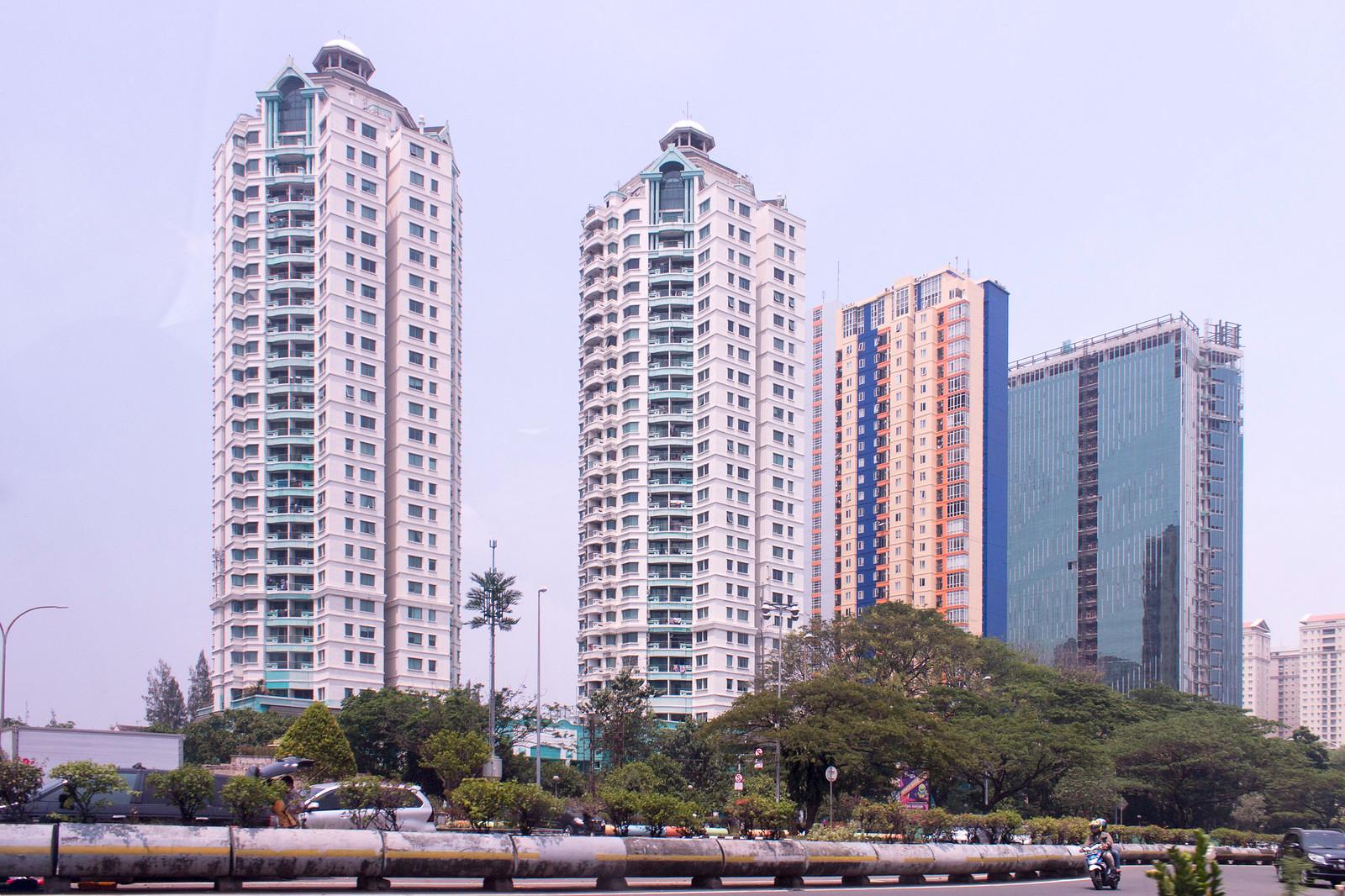
Jakarta's rental market has entered a peculiar squeeze. While property values have climbed steadily-with SCBD penthouses commanding premium multiples and Kemang's expat corridor remaining a magnet for foreign professionals-the gap between purchase prices and rental income is widening in ways that trouble both sides of the ledger.
For tenants, the mathematics are unforgiving. A modest two-bedroom apartment in South Jakarta now averages IDR 25-35 million annually, while comparable properties in satellite cities like BSD and Bintaro still command IDR 15-20 million. The toll road network expansion has made commuting from outer areas more viable, yet many renters find themselves stretched thin as salaries fail to keep pace with urban living costs. Young professionals and mid-career expatriates-traditionally the backbone of Jakarta's rental demand-are increasingly questioning whether renting makes financial sense when mortgage rates hover around 5-6 per cent and property appreciation remains volatile.
Landlords, meanwhile, are confronting an uncomfortable reality: rental yields have compressed to 3-4 per cent annually in prime zones, far below historical averages. An investor who purchased a property in Pondok Indah five years ago for IDR 8 billion now struggles to generate IDR 25-30 million monthly in rental income-a sobering return on capital. Vacancy rates have ticked upward, particularly in older complexes lacking modern amenities. Property managers report longer tenant turnover cycles and increased demand for furnished units that command slightly higher rates, reflecting landlords' efforts to differentiate their offerings.
The divergence is most acute around employment hubs. Areas with strong corporate presence-think the Jakarta CBD corridor, Sudirman, and emerging nodes near Kuningan-remain relatively resilient. Yet transitional neighbourhoods, where older buildings compete with newer apartment towers, are seeing real price erosion and accelerated turnover.
Several dynamics are colliding. Rising construction costs have inflated new supply, increasing competition for existing rental stock. The 'work from home' trend has allowed some tenants to relocate further out, reducing pressure on central Jakarta rents. Simultaneously, property investors who banked on steady appreciation are reconsidering strategies-some are liquidating, others are pivoting toward longer-term rental models or exploring alternative asset classes.
For Jakarta's property market to stabilise, rental economics must align better with purchase prices. Without that equilibrium, tenants will continue seeking alternatives beyond the capital, and landlords will struggle to justify holding underperforming assets. The next 12-18 months will likely reveal whether market forces correct this imbalance naturally or whether policy intervention becomes necessary.
This article is general information only and is not personal financial or investment advice. Consider your own circumstances and seek licensed professional advice before making financial decisions.