property
Jakarta Renters Face Premium Prices; Buying Elsewhere Emerges Smarter
A new affordability gap is opening between Indonesia's capital and its regional cities, forcing middle-income households to choose between renting in Jakarta or buying outright elsewhere.
How we reported this
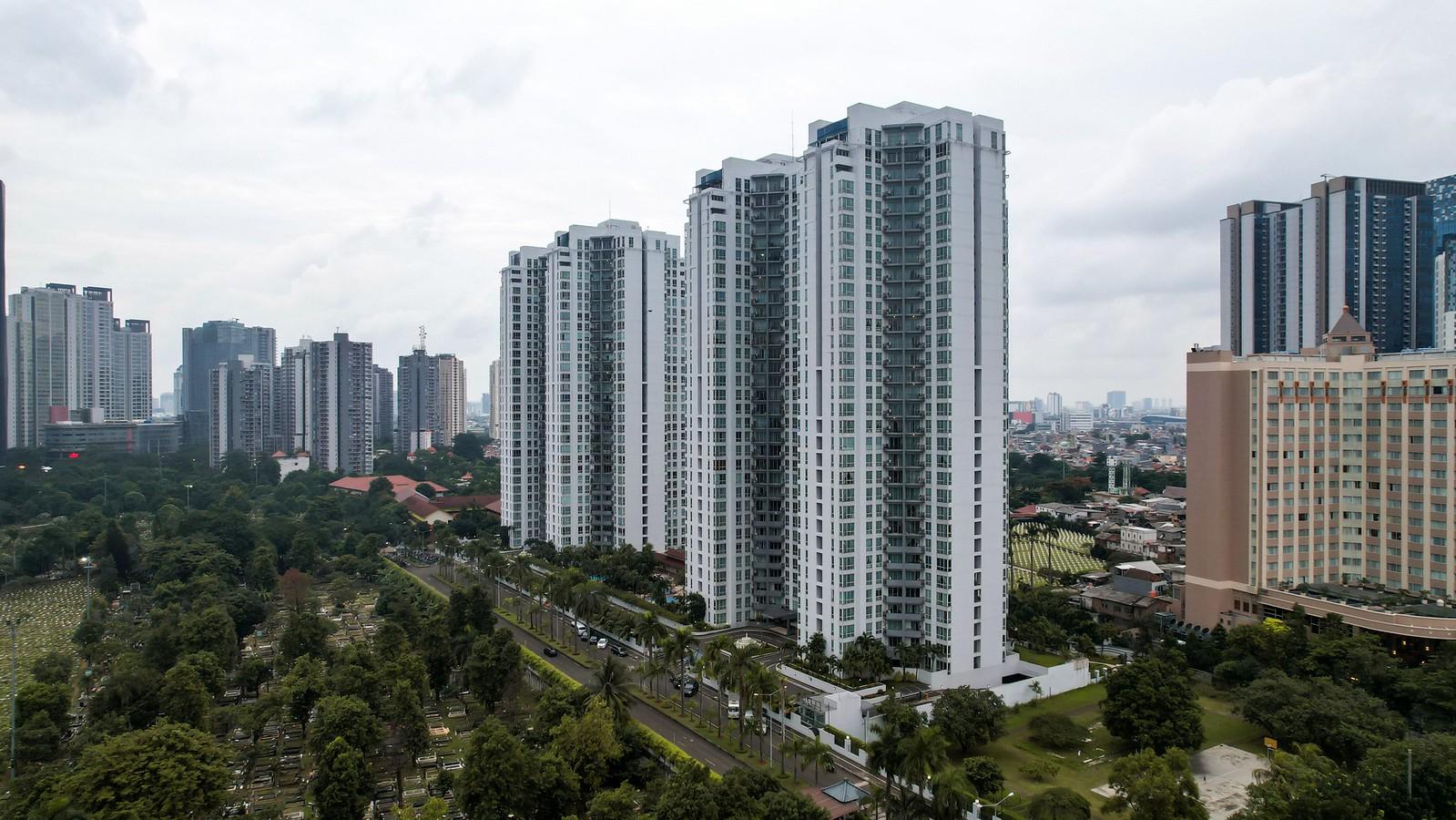
The numbers are stark. Renting a two-bedroom apartment in Jakarta's SCBD corridor now costs between IDR 15 million and IDR 22 million per month, while a comparable unit in Surabaya's Gubeng district can be purchased outright for IDR 600 million to IDR 800 million, a price point that, at standard KPR mortgage rates hovering around 7.5 percent annually, translates to monthly repayments roughly half what a Jakarta renter pays for the privilege of not owning anything.
That arithmetic is reshaping how Indonesian households, particularly those aged 28 to 42 with portable or remote-work incomes, are thinking about where to plant their financial lives. Jakarta remains the economic engine, but the rent-to-income ratio in the capital has stretched to a point where buying in a regional city is no longer a consolation prize. For a growing cohort, it is becoming the rational first choice.
Jakarta's Ownership Ladder Is Getting Steeper
The capital's average transacted price of IDR 55 million per square metre in established corridors like Kebayoran Baru and Kuningan puts entry-level ownership firmly out of reach for households earning below IDR 30 million per month. Bank Indonesia's loan-to-value rules, which cap KPR financing at 80 percent for first-home buyers, mean a 21-square-metre studio in a mid-tier Kemang serviced apartment requires a down payment of roughly IDR 231 million before stamp duty and notary fees, a sum that takes years to accumulate while simultaneously paying rent.
The government's FLPP (Fasilitas Likuiditas Pembiayaan Perumahan) subsidised mortgage scheme does offer rates as low as 5 percent, but its IDR 350 million property price ceiling effectively excludes all of Jakarta proper and most of the BSD City and Bintaro satellite corridors in South Tangerang, where landed house prices routinely start at IDR 1.2 billion for a 60-square-metre plot.
The toll road uplift effect has pushed values further still. Properties within two kilometres of interchange nodes on the Jakarta-Cikampek Elevated Toll and the Serpong-Cinere corridor have recorded price appreciation of between 12 and 18 percent since 2023, according to data circulated by property consultancy firms tracking the BSD and Alam Sutera precincts. For renters in those corridors, that appreciation has accrued entirely to landlords.
Regional Cities Are Closing the Quality Gap
What has changed in the past three years is not just price, it is what buyers in regional cities actually get for their money. Surabaya's Pakuwon City township and Medan's Helvetia district have both seen infrastructure investment that narrows the lifestyle gap with Jakarta. Direct flights from Juanda International Airport and Kualanamu International Airport to major business hubs have made remote-from-Surabaya or remote-from-Medan a workable proposition in a way it simply was not in 2019.
In Bandung, the Dago and Antapani corridors are attracting buyers who commute to Jakarta two or three days a week via the Whoosh high-speed rail, which has cut travel time to under 45 minutes from Padalarang. A three-bedroom house in Antapani costs IDR 900 million to IDR 1.3 billion, a spread that overlaps with the price of a single parking bay in some SCBD tower developments.
Yogyakarta tells a different story. The city draws buyers motivated by lifestyle and education rather than yield, and its rental market near Universitas Gadjah Mada in Sleman has tightened considerably, with monthly rents for a furnished two-bedroom unit reaching IDR 6 million to IDR 8 million, still less than half the Jakarta rate, but rising faster in percentage terms than the capital.
For households weighing the decision now, the calculus depends heavily on employment flexibility. Those tied to Sudirman or Gatot Subroto offices five days a week have little choice but to absorb Jakarta's rental premium or accept a very long toll-road commute from Bintaro. But for anyone with two or more remote days per week, the math of buying in Surabaya, Semarang or Bandung and renting short-stay accommodation in Jakarta for in-office weeks is increasingly competitive, and leaves the buyer accumulating equity rather than feeding it to a landlord in Menteng or Kuningan.
This article is general information only and is not personal financial or investment advice. Consider your own circumstances and seek licensed professional advice before making financial decisions.