property
Jakarta's Build-to-Rent Communities Tackle IDR 55 Million Property Prices
As home ownership costs soar past IDR 55 million per square metre, new purpose-built rental communities are providing stability and amenities previously out of reach for tenants.
How we reported this
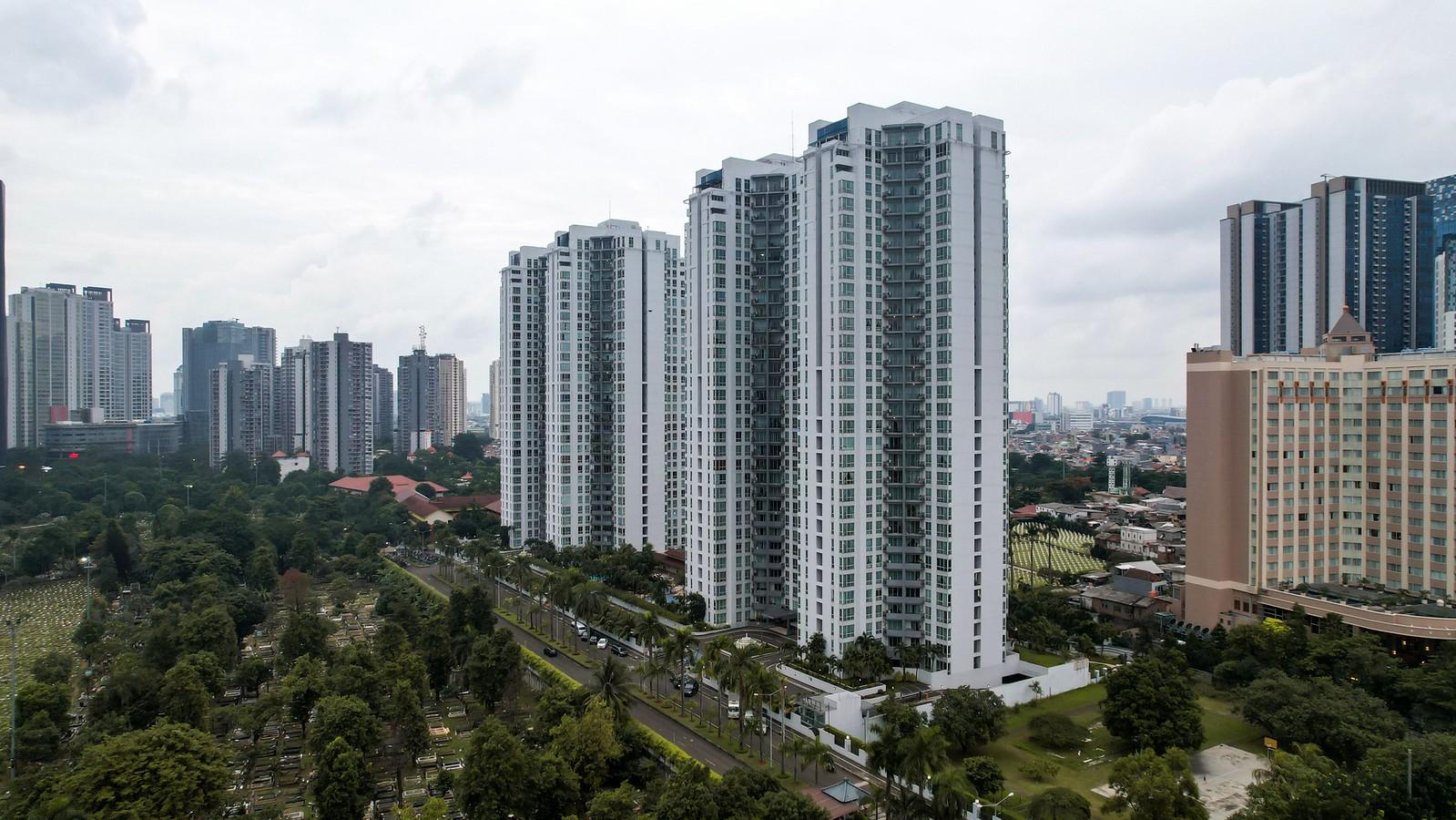
A new class of residential development is quietly taking root across Greater Jakarta, offering a different proposition to city dwellers exhausted by the relentless climb of property prices. Entire apartment towers, built from the ground up not for individual sale but for long-term rental, are beginning to enter the market. These “build-to-rent” (BTR) projects, owned and managed by a single corporate entity, provide a level of stability and professional service that stands in stark contrast to the fragmented traditional rental sector.
The timing is critical. For a generation of professionals and young families in the capital, the dream of owning a home has become a distant, almost abstract, financial goal. With average apartment prices in desirable areas pushing IDR 55 million per square metre, a modest two-bedroom unit can demand a down payment larger than what most can save in a decade. This affordability crisis, sharpened by fluctuating interest rates over the past few years, has created a significant and growing population of permanent renters who are now seeking more than just a temporary roof over their heads.
The New Landlords: Corporate, Curated Living
This shift is most visible not just in central Jakarta, but in the sprawling, master-planned satellite cities. Developers in areas like BSD City and along the transportation artery of the TB Simatupang corridor are testing the BTR model. Instead of dealing with absentee individual landlords, tenants in these new communities interact with a professional on-site management team responsible for everything from maintenance requests to organising community events. The model prioritises resident experience, often bundling amenities like gym memberships, co-working space access, and pool facilities directly into the monthly rent.
The financial equation is compelling. A prospective buyer looking at a 60-square-metre apartment in South Jakarta for IDR 3.3 billion would need to find a down payment of at least IDR 495 million, then face monthly mortgage payments that could easily exceed IDR 25 million. A comparable BTR unit might offer a fixed lease for IDR 16 million per month, with no crippling upfront costs and predictable, contractually limited rent increases. For many, the calculation is simple: swapping the stress of a mortgage for the flexibility and high-end services of a managed rental building makes financial sense.
A Shift in the Jakarta Dream?
This model, already established in cities like London and Tokyo, represents a fundamental change in how Jakartans might view housing. It decouples the idea of a high-quality home from the necessity of ownership. The trade-off is clear: tenants in BTR buildings do not build equity or benefit from capital appreciation. It is a pure lifestyle and cash-flow choice over a long-term asset investment. Yet for a mobile workforce that may relocate for a job or desire the freedom to upsize or downsize without stamp duties and agent fees, the proposition holds significant appeal.
As the first wave of these developments proves its viability, the key for potential tenants will be to look beyond the slick marketing. Scrutinising the lease agreement is paramount. Prospective renters should seek out multi-year lease options to ensure stability and demand clarity on the mechanism for annual rent adjustments. The quality of the on-site management and the building's capital expenditure plan are also crucial indicators of a well-run property. With major property firms and institutional funds now actively exploring Jakarta’s BTR potential, the options for those priced out of the sales market are poised to become more sophisticated and secure than ever before.
This article is general information only and is not personal financial or investment advice. Consider your own circumstances and seek licensed professional advice before making financial decisions.