culture
Setu Babakan keeps living Betawi culture alive in South Jakarta
The Betawi Cultural Village at Srengseng Sawah hosts traditional performances beside a lake, and stages an annual Betawi festival each July.
Listen in English · 3 min
How we reported this
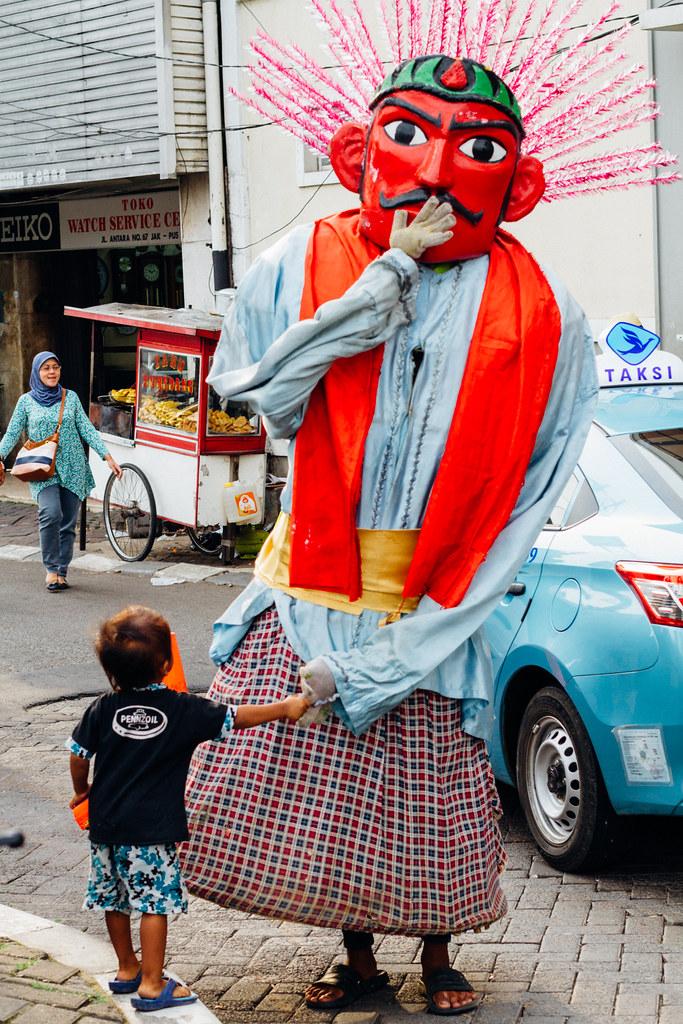
Tucked beside a lake in Srengseng Sawah, Jagakarsa, the Setu Babakan Betawi Cultural Village is devoted to preserving the culture of the Betawi, the indigenous community of Jakarta. Located roughly five kilometres southeast of Ragunan Zoo, it is owned by the DKI Jakarta provincial government and managed by the city's parks department.
The site's name reflects its setting and meaning. As NOW! Jakarta explains, it draws on the Betawi words setu, for lake, and babakan, for origin or source, marking the area as both a water source and a cultural root for the Betawi people, whose customs took shape over generations in and around old Batavia.
The village is arranged in zones. Zone A includes a three-storey Betawi Museum, an amphitheatre, traditional houses and workshop areas, alongside public facilities, giving visitors a concentrated introduction to Betawi architecture and daily life.
What sets Setu Babakan apart is that it presents culture as something living rather than static. Traditional performing arts are staged regularly, including Cokek and Topeng dances, Marawis and Gambus music, Lenong theatre, Tanjidor and Gambang Kromong ensembles, and the instantly recognisable Ondel-ondel giant puppets.
The calendar peaks in the middle of the year. Each July, the village hosts a Betawi Cultural Festival featuring re-enactments of ceremonies such as weddings, circumcision rituals and seven-month pregnancy rites, offering an accessible window into Betawi traditions for residents and visitors alike.
Food is part of the appeal too. NOW! Jakarta notes that visitors can savour authentic Betawi cuisine on site and experience the community's daily rhythm rather than a staged display, which makes an afternoon here as much about eating and lingering by the water as about watching a performance.
The village's formal recognition came gradually. According to NOW! Jakarta, its establishment as a dedicated cultural centre in the 1990s was driven by the Betawi Community Consultative Body, known as Bamus Betawi, as a step toward safeguarding the living legacy of Jakarta's original inhabitants beside the lake.
For anyone wanting to understand Jakarta beyond its malls and skyscrapers, Setu Babakan offers a relaxed, lakeside setting where heritage is performed and shared. As with any cultural venue, programmes and timings can change, so checking ahead is advisable before planning a visit around a specific performance.
Sources: Wikipedia, NOW! Jakarta.