Technology
Jakarta's Coworking Boom Transforms How Professionals Find Jobs Today
As flexible work reshapes Indonesia's employment landscape, professionals navigating Jakarta's job market need to understand how coworking spaces, hybrid arrangements, and digital skills are redefining career prospects in 2026.
Listen in English · 4 min
How we reported this
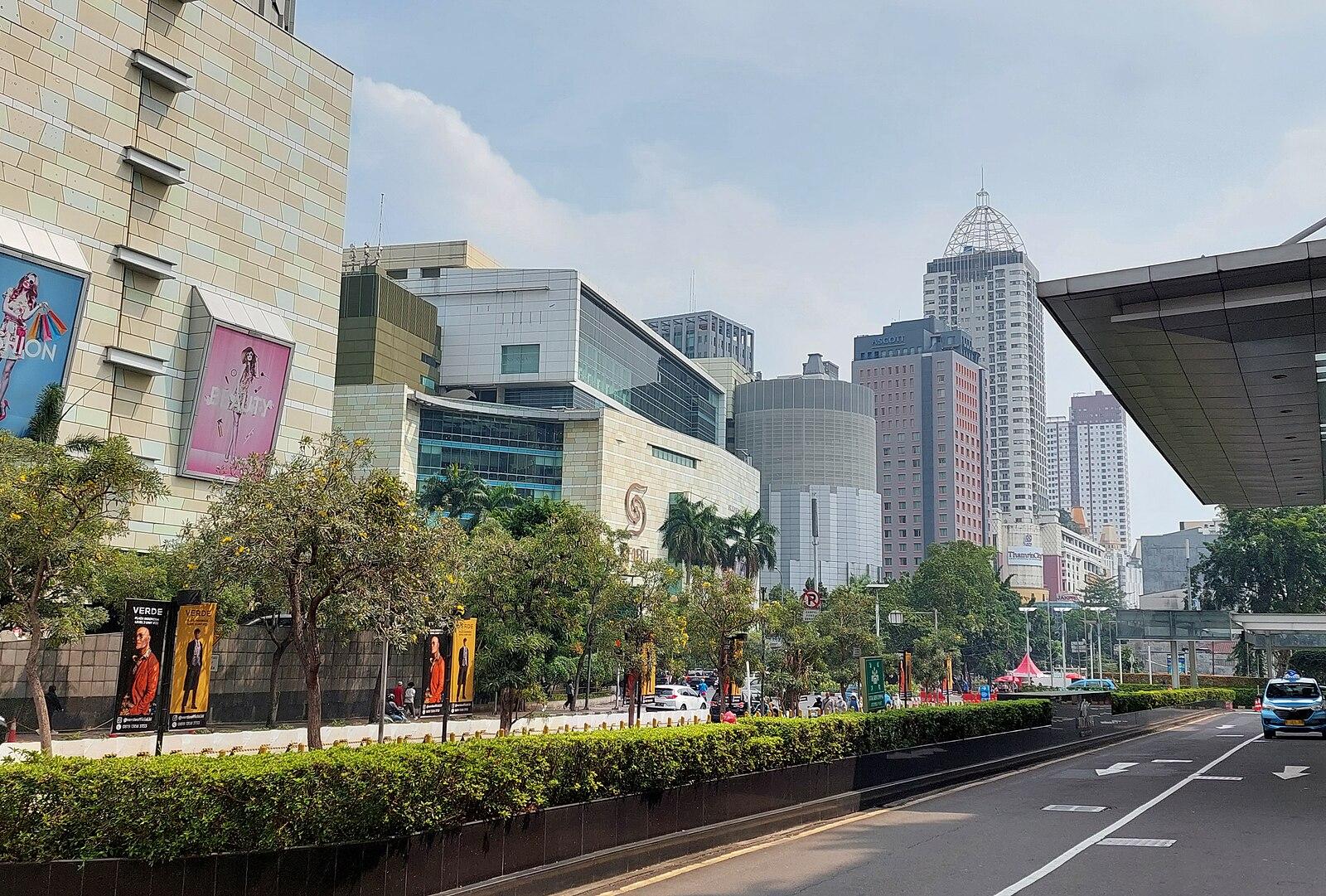
Jakarta's skyline tells a story of transformation. Where traditional office towers once dominated the Sudirman and Gatot Subroto corridors, a new ecosystem of coworking spaces has emerged-from the boutique offices in Menteng to the sprawling campuses in Kemang. For job seekers and professionals, understanding this shift isn't optional; it's essential to staying competitive.
The numbers are striking. Indonesia's flexible workspace market has grown by 35% since 2023, with Jakarta accounting for nearly 70% of that expansion. Monthly desk rentals in premium coworking hubs like those clustered around Jakarta Selatan now range from Rp 3-5 million, while hot-desking options start at Rp 1.5 million-making flexibility increasingly accessible to freelancers and professionals between roles.
But the real shift goes deeper than real estate. Employers across sectors-from fintech startups in Senayan to established multinationals-are fundamentally rethinking what "employment" means. A recent survey of Jakarta-based hiring managers revealed that 62% now expect candidates to demonstrate proficiency with remote collaboration tools, asynchronous communication, and self-management. These skills have become as critical as technical expertise.
For job seekers, this presents both opportunity and challenge. Remote-first positions often offer geographic flexibility, allowing professionals to live outside Jakarta's congested corridors while accessing top-tier employment. Yet they also demand higher self-discipline and digital literacy. The professionals gaining ground are those who can articulate not just what they know, but how they work independently.
The hybrid model-splitting time between coworking spaces and home-has emerged as the Jakarta default. This creates a practical consideration: professionals entering the job market should factor in commute times, internet reliability in their preferred work location, and the cost of occasional coworking access. Many are using shared spaces strategically: booking a desk in Blok M or Senayan two or three days weekly for client meetings while maintaining home-based productivity.
Networking has also evolved. The serendipitous hallway conversations that once defined office culture now happen intentionally-through coworking community events, professional meetups, and hybrid conferences that blend in-person and digital participation.
The takeaway for professionals in 2026 is clear: remote work isn't a perk anymore-it's baseline. Success means mastering the tools, disciplines, and networking patterns this new landscape demands. Whether you're job hunting or growing your career, understanding how to work effectively across spaces, time zones, and digital-first environments isn't peripheral skill development. It's central to your professional future in Jakarta.